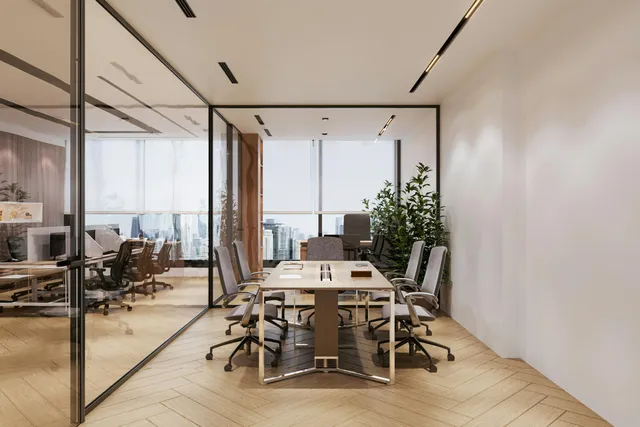
Renting an office in Dubai is one of the most important decisions you will make when establishing or expanding your business in the UAE. Whether you are a startup looking for your first workspace or an international company setting up a regional headquarters, understanding the process from start to finish will save you time, money and potential legal complications.

Step 1: Define Your Business Requirements
Before you begin searching, take time to clarify what your business actually needs. Consider the following:
• Team size: How many employees will use the space daily? A general rule is 8–10 square metres per person for a standard open-plan office.
• Type of space: Do you need a fitted office, a shell-and-core unit, or a co-working membership?
• Location: Is proximity to clients, transport links, or specific free zones a priority?
• Budget: Factor in not just the annual rent but also service charges, Ejari registration fees and fit-out costs.
Step 2: Choose Between Mainland and Free Zone
One of the first decisions for businesses new to Dubai is whether to operate on the mainland or within a free zone. Mainland offices are registered with the Department of Economy and Tourism (DET) and allow you to trade freely across the UAE.
Free zone offices are located within designated economic zones such as DIFC, DMCC, Dubai South or DAFZA, offering tax benefits and 100% foreign ownership.
Step 3: Explore the Right Districts
Dubai offers a wide range of commercial districts, each with its own character, pricing and advantages:
• DIFC: Ideal for financial services and professional services. Premium rents but unmatched prestige.
• Business Bay: Excellent connectivity, modern towers and competitive pricing across a range of unit sizes.
• JLT (Jumeirah Lakes Towers): A cost-effective alternative, popular with SMEs and startups.
• Dubai Silicon Oasis / Dubai Internet City: Tech-focused free zones with purpose-built infrastructure.
Step 4: Work with a Commercial Real Estate Broker
Navigating Dubai's commercial property market is far more efficient with the support of a specialist broker. A qualified commercial agent will help you access a wider inventory, negotiate lease terms, understand contract clauses and ensure full compliance with RERA requirements.
Step 5: Review the Lease Agreement Carefully
Commercial leases in Dubai are typically structured on an annual basis, with rent payable by post-dated cheques. Key elements to review include: rent amount and schedule, lease term and renewal conditions, permitted use clause, service charges, break clauses and fit-out obligations. All commercial tenancies must be registered on Ejari.
Ready to Find Your Next Office in Dubai?
At CRC Property — crcproperty.com — we specialise exclusively in commercial real estate across Dubai, Abu Dhabi and Sharjah. Our team of expert consultants will guide you through the entire process from shortlisting properties to negotiating and finalising your lease. Contact us today to explore available office spaces.
Table of Contents
Recent Posts
- Dubai Office Market Q3 2026 Update
- Office for Rent in Dubai: 2026 Guide to Rents, Best Areas and Costs
- Free Zone vs Mainland in Dubai: How Your Business Setup Shapes Your Office Space Needs
- Al Quoz vs Dubai South vs Dubai Industrial City: 2026 Warehouse Guide
- Office for Rent in Dubai: Areas, Prices and More in 2026